Welcome To My Culinary & Holistic Lifestyle Blog!
In Pursuit of Optimal Digestive Health
What's Lurking in your Personal Care Products?
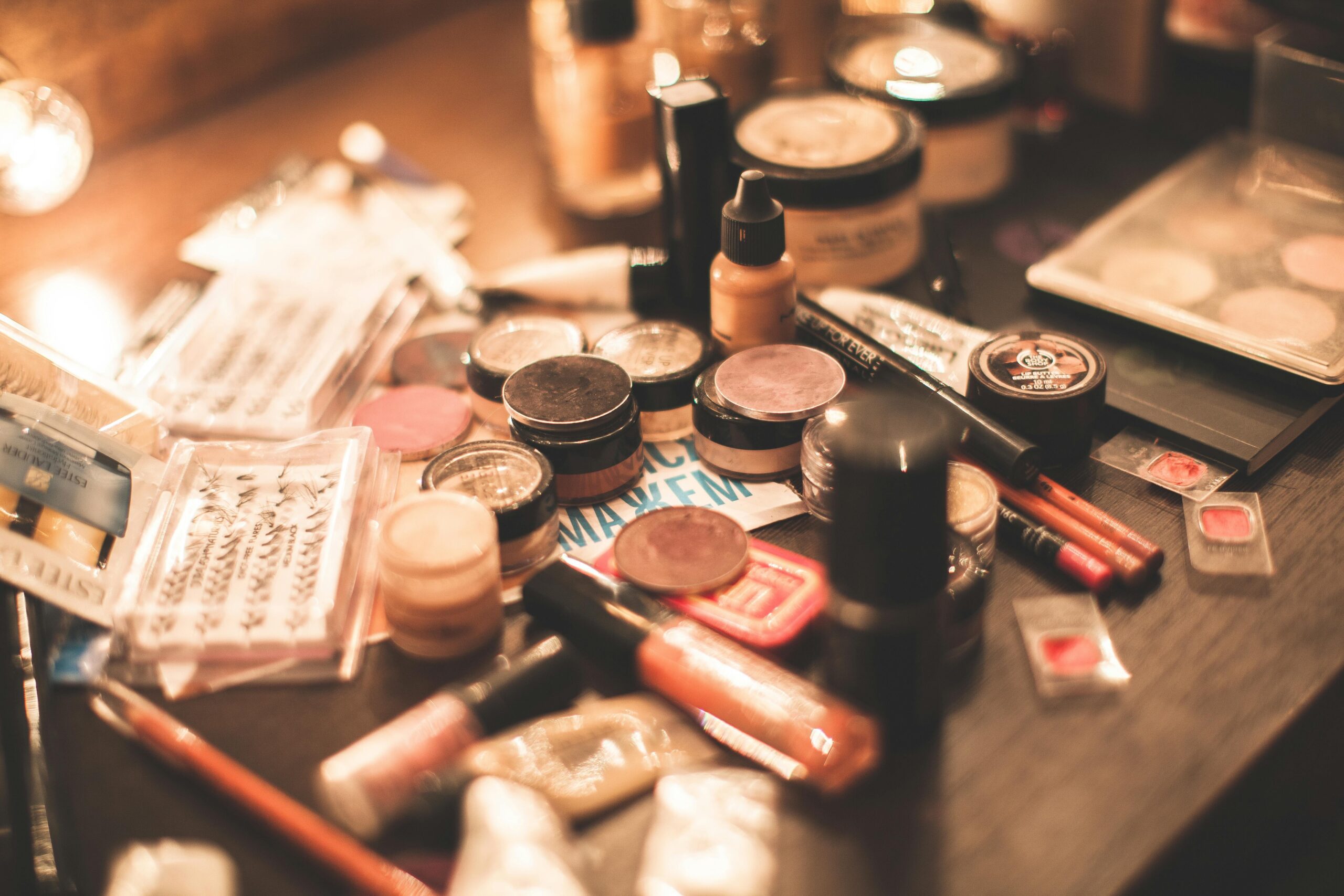
Your guide to anti-inflammatory beauty rituals!
I’m going to assume that you want to feel your best…inside AND out! There’s no doubt that your daily beauty and personal care rituals are a part of that.
Have you ever peeked at what’s in your regularly used products, and where those ingredients come from?
An ingredient list is everything, as what’s applied to the skin, alongside what we ingest and inhale, can be absorbed into our bloodstream.
In acting preventively, or in response to active, chronic inflammation bringing about current, uncomfortable symptoms, becoming a detective with our personal care products is crucial. This includes face, body and hair care, cosmetics, dental care, menstrual care, and ambiance-related home accessories.
The overall toxic load our liver (and overall body) bears plays a prevalent role in how we feel every day, including the state of our overall physiological functioning. Understanding the ingredients in our personal care products of choice, including how they interact with our body over time, helps curb our cumulative exposure. As a result, we can better circumvent future health challenges.
Conventional personal care products can be laden with hormone-disruptors and other inflammation-inducing ingredients.
When we tap into more naturally composed alternatives, we start significantly reducing our toxic load, bodily congestion and overall degree of inflammation. As a result, uncomfortable symptoms can begin to dissipate, providing you relief!
Where to Start?
Making health-building swaps is a gradual process, in taking a sustainable approach.
Step 1: Assess the overall number of products that form your daily personal care routines. Are all of the products necessary? How might the volume of products be paired down?
Step 2: Evaluate the products you move through most frequently – choose 1-3 of them as a starting point.
Step 3: Take a close look at the ingredients in each of their ingredient lists. Are they recognizable? Pronounceable? What do they do?
This is where the empowerment starts to grow!
With practice and experience, we begin to grow more aware of the ingredient names and terms used in such products, more deeply understanding whether they support, or hinder, our health.
Approaching Products and Their Ingredients
To start fast-tracking you through the multitude of ingredients out there, ingredients to bypass include:
- Formaldehyde & Formaldehyde Releasing Agents
- Oxybenzone
- N–methyl–2–pyrrolidone (NMP) & N–ethyl–2–pyrrolidone (NEP)
- Parabens
- Petrolatum
- Per- and polyfluoroalkyl substances (PFAS)
- Phthalates
- Toluene
- Triclosan
- Butylated hydroxyanisole (BHA) & Butylated hydroxytoluene (BHT)
- Siloxanes
Ingredients to seek out include:
- Plant-based sourcing
- From flowers, leaves, roots, stems, seeds, bark, fruit…
- Essential oils
- Eucalyptus, lavender, peppermint, tea tree…
- Natural carrier oils
- Argan, coconut, jojoba, sweet almond…
- Food-based colourings/dyes
- Beet, berry, paprika, turmeric…
- Mineral-based, active ingredients
- Zinc oxide, titanium dioxide…
As we continue this journey, we can dig deeper with our learning and awareness:
- Where are the ingredients sourced from? What are the values driving the brand? (These often go hand-in-hand!)
- Are there any third-party certifications the brand has sought out (given how unregulated terms have become in the industry)? These include:
- Leaping Bunny (cruelty-free)
- V-Label International (vegan/vegetarian)
- Ecocert/COSMOS (eco-friendly practices)
- MADE SAFE (ingredient safety/ecosystem-focused)
- CertClean (evidence-based safety standards)
- B Corp (verified standards of environmental performance, accountability and transparency)
- Is there any third-party testing done on the product? This is indicated by a logo on a package, and proves the product contains what it claims to contain and does what it claims to do.
- Is there any clinical research supporting its proposed benefits? This is typically found on the brand’s website.
Online tools, like the Environmental Working Group’s (EWGs) Skin Deep® database, provide an indication of ‘hazard’ level based on a product’s ingredient composition.
Enter the name of a specific product to discover its safety rating on a scale of 1-10 (where 1 = high safety/low-toxicity and 10 = low safety/high toxicity). Opt for products scoring 1-3 on the 10-point scale.
The EWG VERIFIED™ logo indicates that the product aligns with the EWG’s strictest criteria.
Community Natural Foods, my favourite local health food store here in Calgary, carefully screens all products on its shelves, to safeguard your health and the well-being of our planet. Stringent standards and ingredient review fast-track you to brands and products worth exploring!
View the MyCNF Verified standards HERE.
Here are a few of my favourite tips when approaching different types of beauty/personal care products:
Face & Body Care
Look for: antioxidant nutrients (Vitamins C or E, fruit extracts), natural oils (argan, coconut, jojoba, olive, shea…), hyaluronic acid, aloe vera, bakuchiol, kaolin clay, willow bark…
With sunscreens, mineral-based active ingredients (e.g. zinc oxide, titanium dioxide) are ideal.
Hair Care
Look for: natural carrier oils (almond, argan, coconut, jojoba, olive, shea…), natural clarifiers (apple cider vinegar) and botanical extracts (amla, grapefruit, lavender, neem, tea tree…).
Make-Up
Look for: mineral-based pigments (zinc/iron oxide, titanium dioxide), botanical extracts (aloe vera, tea tree, fruits…), carrier oils (aloe, jojoba…) thickeners (arrowroot starch…), and plant-sourced butters and waxes.
Deodorants & Antiperspirants
Our skin is our largest organ, and one of 6 natural detoxification pathways in the body. Any opportunity to sweat and release toxins through the skin is highly beneficial! Sweating is crucial for regulating our core body temperature, as it is the thermoregulation system of our body.
Look-for: aluminum-free options, given aluminum is added to block pores. We want our pores to be able to release sweat and toxins.
Dental Care
The bacterial balance and health of our oral microbiome is directly connected to both our gut microbiome health and liver health.
Look for: sodium bicarbonate (less abrasive whitening agent), nano-hydroxyapatite (fluoride alternative - supports re-mineralization and strengthening of enamel), xylitol (natural sugar alcohol that helps reduce poor bacterial species), and tea tree oil (natural antimicrobial).
Menstrual Care
Look for: natural fibers (100% certified organic cotton), plant-based applicators, and biodegradable or compostable materials.
Bath Soaks
Look for: Epsom salts, dead sea salt, sea minerals and/or essential oils, paving the way for less skin irritation and sensitivity as a result.
Essential Oils & Perfume
Look for: natural botanicals and purity tested/quality assured lines of essential oils.
Have some fun mixing and matching essential oils to create custom blends and scents, with the use of a carrier oil and roll-on bottle for application!
Home Accessories
Look for: 100% beeswax candles that release a naturally sweet aroma, or natural fiber reed diffusers that diffuse natural essential oils. A Himalayan salt crystal lamp emits a warm, calming, amber glow!
Enjoy the Journey!
Up-leveling your beauty/personal care products is an exciting process, especially when you start feeling the benefits! The process introduces you to a wealth of new brand possibilities you may not have discovered otherwise! Experimenting with different options helps you discover the perfect fit for your personal, unique needs and lifestyle.
Know Your Practitioner

I'm Jessica Pecush...
Culinary Nutrition Expert, Certified Holistic Nutritional Consultant™ & AIP Certified Coach®
FOLLOW ME ON SOCIAL MEDIA
Subscribe To My Mailing List! Receive My Foundational Resource 'First Steps for Autoimmune Gut Disorder Pain Relief'!