Welcome To My Culinary & Holistic Lifestyle Blog!
In Pursuit of Optimal Digestive Health
The Hormone Ripple Effect: Understanding How Shifts Impact the Whole Body

Whether you’re experiencing premenstrual syndrome or are in the thick of your perimenopausal or menopausal journey, strategic diet and lifestyle supports establish and maintain a solid foundation for your gut, liver, adrenal and reproductive health!
Every woman’s experience differs, being highly dependent on overall lifestyle (daily diet, physical activity, stress level, sleep quality, gut health/digestion, liver health, detoxification efficiency, and environmental toxic load). Knowing and understanding your overall health picture and what would best support your journey, is paramount.
GUT HEALTH INFLUENCES REPRODUCTIVE HEALTH
The gut microbiome is significantly involved in the regulation of our metabolism, including that of estrogen. Bowel movements not only eliminate waste/toxins, they flush out excess estrogen/estrogen metabolites.
If not eliminating daily with soft, formed and easy-to-pass poops, stagnant toxins/metabolites can start to harm the intestinal lining, increasing inflammation and exacerbating symptoms. High estrogen relative to progesterone, including poor clearance, can contribute to ‘Estrogen Dominance’ and PMS-related symptoms.
Are you consuming…
- Diverse, colourful, fiber sources at every meal (organic/non-GMO where possible) that feed beneficial gut bugs?
- Varied, high-quality protein sources to stabilize blood sugar, mood/energy levels and stop cravings in their tracks?
- Omega-3-rich fat sources (minimally refined/unrefined) that reduce inflammation and nourish your brain and Nervous System?
Chronic gas, bloating, acid reflux, burping, constipation or loose stools?
Consider exploring digestive support based on your unique needs (*in consideration of any medications/contraindications too), like:
- Betaine Hydrochloride (HCl)
- Lowers stomach pH and supports protein digestion
- Broad-spectrum digestive enzymes
- Supports carbohydrate, dairy, protein and fat digestion
- Digestive bitters
- Stimulate liver and gallbladder function
*Targeted digestive support complements relaxed eating and thorough chewing.
LIVER HEALTH INFLUENCES REPRODUCTIVE HEALTH
An overwhelming volume of toxins in our environment (often hormone disruptors) impact the load our liver bears. Countless conventional products (perfumes, cosmetics, personal care, cleaning products…) contain parfum, parabens, phthalates and the like!
Liver/bile congestion and toxicity becomes evident via elevated liver markers, gallbladder issues, greasy (fat-containing) bowel movements, sensitivity to scents, brain fog, and more!
Alongside the bowels, the liver is a major detoxification pathway in the body as the body’s filter.
Daily, gentle, detoxification strategies support your liver health, and therefore reproductive function, too!
- Fresh lemon in filtered water (or warm lemon water)
- Electrolytes - for fluid balance
- Organic, bitter, dandelion root/nettle herbal teas
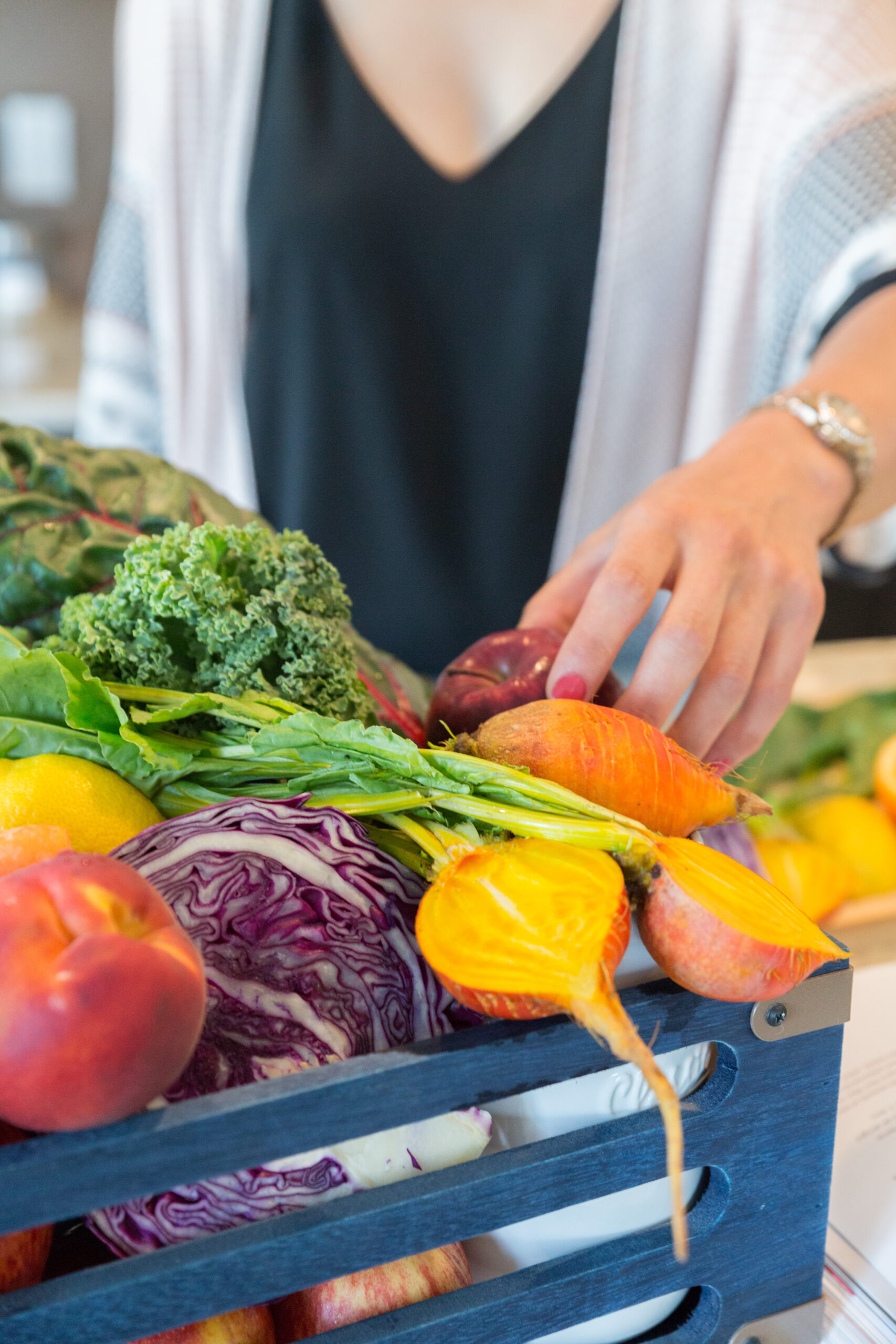
- Bitter produce, green produce, cruciferous veggies, berries, beets, citrus…
- Liquid chlorophyll (*has contraindications)
- Toxin-free/low-toxin personal care and house cleaning products
By optimizing our detoxification pathways (colon, liver, lungs, kidneys, skin and Lymphatic System) and substantially reducing our toxic load, we’re in a better position to excrete toxins, waste and hormone metabolites more effectively! We’re also in a better state to digest/assimilate our nutrients and utilize our hormones! As such, we have more comfortable menstruation, perimenopause and menopausal journeys.
ADRENAL HEALTH + BLOOD SUGAR MANAGEMENT INFLUENCE REPRODUCTIVE HEALTH
Chronically-elevated cortisol levels (secreted by the adrenals) may be linked to hot flashes or anxious/depressive symptoms, having a trickle-down effect on cognitive performance in menopausal women.
Our adrenals take over reproductive hormone production when ovarian production ceases, so nourishing our adrenals is crucial!
A state of chronic ‘Fight-or-Flight’ with our Nervous System, due to chronically elevated cortisol release, ‘steals’ the pregnenolone available for other hormones (including progesterone). Progesterone is our grounding/calming hormone that supports our Parasympathetic Nervous System. The body’s priorities will override your personal health priorities, so it’s crucial to reflect on how much stress your system is under at any given time. Stress not only reduces progesterone levels, it impacts our ability to ovulate!
Dysregulated cortisol goes hand-in-hand with dysregulated blood sugar levels, and given estrogen (Estradiol - E2) plummets over time, we become more ‘insulin resistant’. Night sweats and hot flashes involve dysregulated blood sugar levels due to altered glucose metabolism. Their top triggers include stress, caffeine and alcohol (all of which spike blood sugar levels, too).
Protein-centered meals, rich with fiber and a source of anti-inflammatory fat, are a must! Protein stimulates muscle protein synthesis, supports a raging appetite, curbs cravings, has a high thermal effect and stabilizes blood sugar levels.
ADRENAL-NOURISHING SUPPLEMENTATION CAN HELP CLOSE NUTRIENT GAPS!
Omega-3 Fatty Acids
- Plummeting estrogen is associated with detriments to cognition
- Estrogen receptors control metabolism of the brain – need to maintain energetic capacity of the brain through reproductive hormonal shifts
- Cannot be produced by our body; easily supplemented for regular intake!
- Exist in their most directly usable form in oily, fatty, wild-caught fish (e.g. salmon, mackerel, herring, sardines)
- Plant-based food sources include (organic) hemp seeds, hemp seed oil, whole flax seeds, sprouted ground flax seeds, flax oil, walnuts, walnut oil, chia seeds, chia oil...
- Natural supplementation: options include varying proportions of DHA (docosahexaenoic acid) and EPA (eicosapentaenoic acid) – both are important!
- Seek out liquid or soft gel form, as needed, sourced from wild-caught oily/fatty fish sources (third-party tested for purity and potency)
(Methylated) B Complex Vitamins (especially B5, B6, B9 & B12)
- Can support energy production when easily depleted by particularly stressful periods of life
- Found in avocado, eggs, dark/leafy greens, high-quality dairy, lean meats/poultry, legumes, organ meats, nutritional yeast, nuts/seeds, whole grains, wild-caught fish…
- Natural supplementation: B complex vitamins are ideally supplemented as a complex, given they work in synergy with one another and exist in delicate balance/relative proportion to one another in the body
- Look for methylated options (easily absorbable form) - energize cells, support cortisol production, minimize impacts of stress response and support neurotransmitter function
- Can create symptoms for unique circumstances (e.g. anxiety, histamine sensitivity/reaction with declining estrogen, if taken on an empty stomach…) - discuss with your practitioner prior to potential use
Vitamin D3 (supplement w/ K2)
- Vitamin D3 (a hormone) is best synthesized by the body with sunlight exposure
- Supports immune response – a protective hormone against adrenal disease/dysfunction
- Increases gut bug diversity and reduces oxidative stress
- Bone health-supportive nutrients, too!
- Found in some amounts in beef liver, cod liver, egg yolks, red meat and wild-caught oily/fatty fish
- Natural supplementation: Vitamin D3 is best supplemented with Vitamin K2 - D3 helps absorb calcium, K2 shuttles calcium into bone
- Seek out liquid drop or soft gel options, as deemed needed with the insight of your practitioner
Magnesium Bis-Glycinate
- Deficiency associated with dysregulation of Hypothalamic-Pituitary-Adrenal (HPA) Axis
- Fundamental in nerve signalling and protective of the Blood Brain Barrier
- Supports smooth muscle relaxation (including cramps/spasms!), Nervous System regulation and sleep quality
- Found in avocado, dark/leafy greens, nuts/seeds, whole grains, legumes, fish, cacao powder, banana…
- Natural supplementation: exists in a variety of forms, so seeking out the correct form, delivery and dosage is an important conversation with your practitioner if supplementation would be beneficial
Vitamin C
- Powerful antioxidant that counters free radical/oxidative damage in the body (including from adrenal hormone imbalances) and regulates cortisol levels
- Supports iron absorption from iron-rich foods (iron lost during menstruation)
- Found in Red bell peppers, dark leafy greens/green veggies, berries, citrus, pineapple, mango, kiwi, papaya…
- Natural supplementation: ideally found in liposomal (highly-absorbable) liquid or gelcap form
Vitamin E
- Renewed by presence of Vitamin C – protects cell membranes
- Helps regulate adrenal gland activity
- Found in avocado, kiwi, mango, red Bell pepper, dark/leafy greens, nuts/seeds…
- Natural supplementation: not typically relied on as a mainstream supplement; start with food-rich sources unless supplementation is deemed required by your practitioner
Selenium
- Cell-protective – counters oxidative stress, reduces inflammation and strengthens immune resilience
- Found in Brazil nuts, organ meats, sunflower seeds, seafood, whole grains, poultry, eggs…
- Natural supplementation: not typically relied on as a mainstream supplement; start with food-rich sources unless supplementation is deemed required by your practitioner
Zinc
- Plays a critical role in the creation, release, and usage of adrenal hormones
- Found in pumpkin seeds, red meat, chicken, beans, nuts, seafood, legumes, whole grains, eggs…
- Minerals exist in the body in delicate proportion and balance to one another; supplementing zinc can impact copper levels, so consult with your practitioner re: zinc supplementation
Adaptogenic Herbs
- Support HPA Axis regulation (cortisol modulation), energy levels and a more regulated stress response
- Several exist, and are accessible both individually or in combination with others
- Here are a few examples:
- L-theanine
- Can cross Blood-Brain Barrier - promising research for mental health disorders (influences neurotransmitter activity, induces relaxation and reduces stress)
- Reishi (medicinal mushroom)
- Calming, antioxidant-rich adaptogen - supports cortisol balance, stress resilience and modulates Immune System activity
- L-theanine
*Be in the know with your cortisol levels/rhythm when exploring adaptogenic herbs, in consideration of any medications, as well. Daily lifestyle habits (e.g. stress reduction, sleep hygiene) that support your Circadian Rhythm are foundational, daily, adrenal supports.
It’s very important to understand YOUR gut, liver and hormonal status through your reproductive health journey, so you may support it accordingly.
Know Your Practitioner

I'm Jessica Pecush...
Culinary Nutrition Expert, Certified Holistic Nutritional Consultant™ & Natural Nutrition Clinical Practitioner
FOLLOW ME ON SOCIAL MEDIA
Subscribe To My Mailing List! Receive My Foundational Resource 'First Steps for Autoimmune Gut Disorder Pain Relief'!