Welcome To My Culinary & Holistic Lifestyle Blog!
In Pursuit of Optimal Digestive Health
How to Love Your Liver!
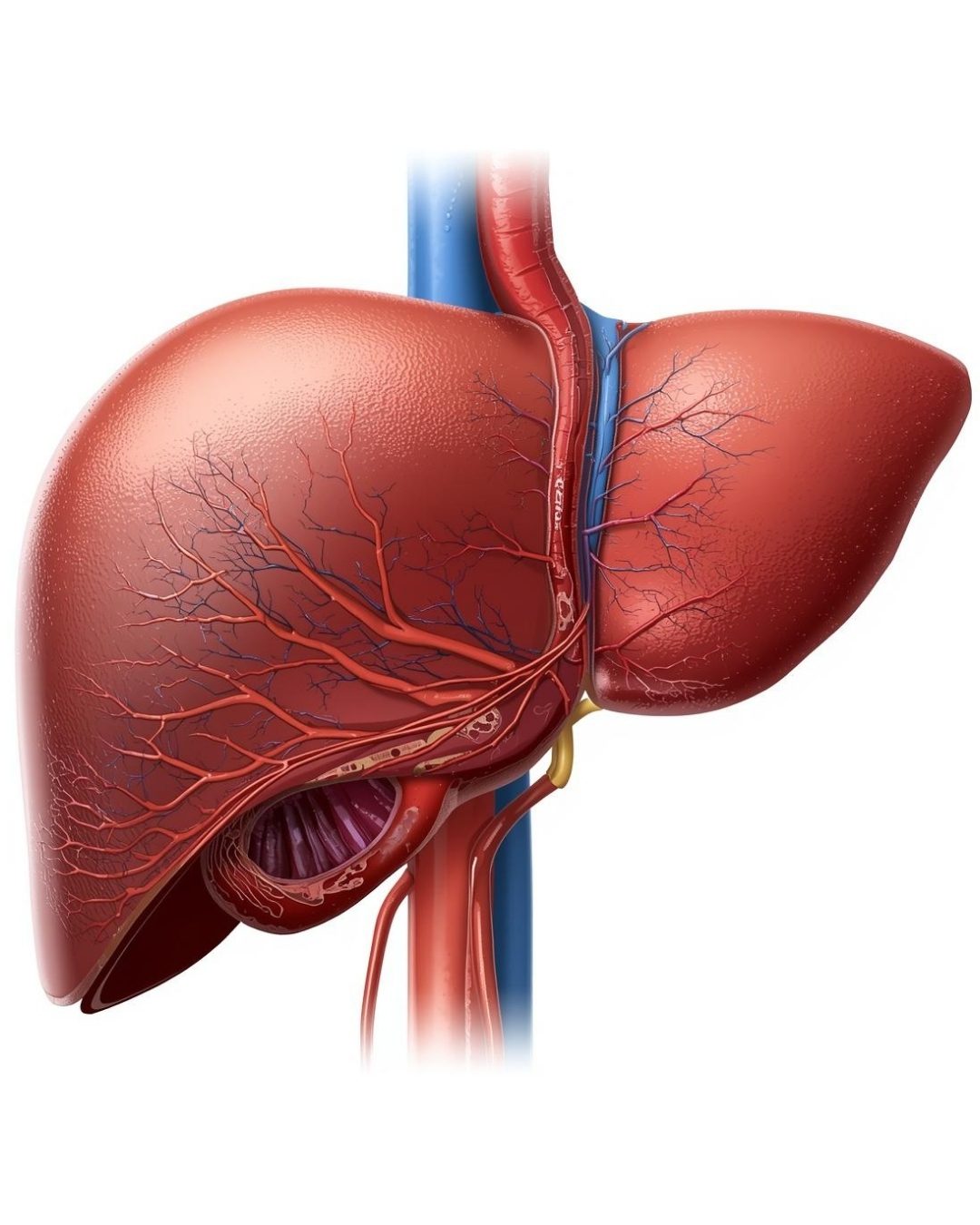
Struggling with digestion of rich meals and fats? Irritable? Chronically fatigued? Oily-looking bowel movements? Undesirable cholesterol levels? Skin issues? Allergies? Sensitive to medications, supplements, fragrances and/or fumes?
These are just some of the signs that your liver needs some love.
The liver is a detoxification powerhouse and the body’s filter – constantly in action! It plays the vital role of neutralizing and preparing for the elimination of chemicals from the body that can pose toxic harm.
Performing 500+ functions, the liver facilitates digestion and metabolism, producing and breaking down hormones, storing energy (glucose as glycogen), detoxifying the blood, producing bile (to support fat digestion/absorption of fat-soluble vitamins) and storage of essential vitamins/minerals.
Ongoing, chronic exposures to inflammatory triggers impairs liver function. Xenobiotics (foreign, chemical substances) are significant triggers. These include additives/preservatives, artificial colourings/flavourings, pesticides/herbicides, molds/mycotoxins, heavy metals, drugs/pharmaceuticals, tobacco smoke, alcohol, industrial chemicals, plastics and pollution.
Research doesn’t yet exist to illustrate exposure levels and long-term effects of toxicity of xenobiotics on liver health. Chronic toxic exposures, coupled with poor liver filtration, leave us more vulnerable to injury of liver tissue and ineffective repair.
Furthermore, a sluggish, overwhelmed liver can both trigger/exacerbate allergies, given the liver is inefficiently detoxifying environmental toxins and excess histamines. Allergens can accumulate, overstimulating the Immune System, increasing inflammation and potential histamine intolerance, and worsening reactions.
Oxidative stress results when there are insufficient antioxidant nutrients to counter unstable free radical molecules (reactive oxygen species). Chronic toxic exposures = free radical activity! Oxidative stress reduces antioxidant enzyme activity, and unrepaired cellular and tissue damage can result.
In Phase 1 of liver detoxification, liver enzymes neutralize substances by transforming them into less toxic versions. In Phase 2, the liver works to prevent Phase 1 byproducts from building up! Enzymes finish neutralizing byproducts by creating water-soluble forms that can then be eliminated – largely through the kidneys (via urine) and bowels (via poops)!
Beyond the kidneys and bowels, our skin (sweating), lungs (deep breathing), and lymphatic drainage techniques (massage, dry brushing) round out our detoxification pathways. Therefore, our varied daily habits and routines matter!
BUILD YOUR LIVER HEALTH FOUNDATION!
An anti-inflammatory, whole-food-based diet makes a significant impact on liver health.
Assess your overall food choices and read ingredient labels. Becoming more connected to what’s in your food and where it comes from is invaluable!
A BEGINNING FRAMEWORK:
Water
- Filter your tap water, removing further contaminants and re-mineralizing it
- Plenty of water consumption daily to flush out toxins/support bowel movements
- Liver-loving, organic teas (ginger, turmeric, nettle, milk thistle, dandelion leaf/root, green tea and matcha)
Fiber
- Diverse, colourful plants to feed gut bacteria and excrete toxins/waste
-
- Green foods contain liver-loving, alkalizing chlorophyll
- Sulfur-rich foods:
- Brassica family (cruciferous - broccoli, cauliflower, etc.)
- Contain glucosinolates (sulfur-containing compounds) broken down into smaller units (e.g. sulforaphane), supporting liver detoxification enzyme activity
-
- Allium family (garlic, onion, etc.)
- Contain organosulfur compounds capable of regulating gene expression and modulating liver detoxification processes
- Allium family (garlic, onion, etc.)
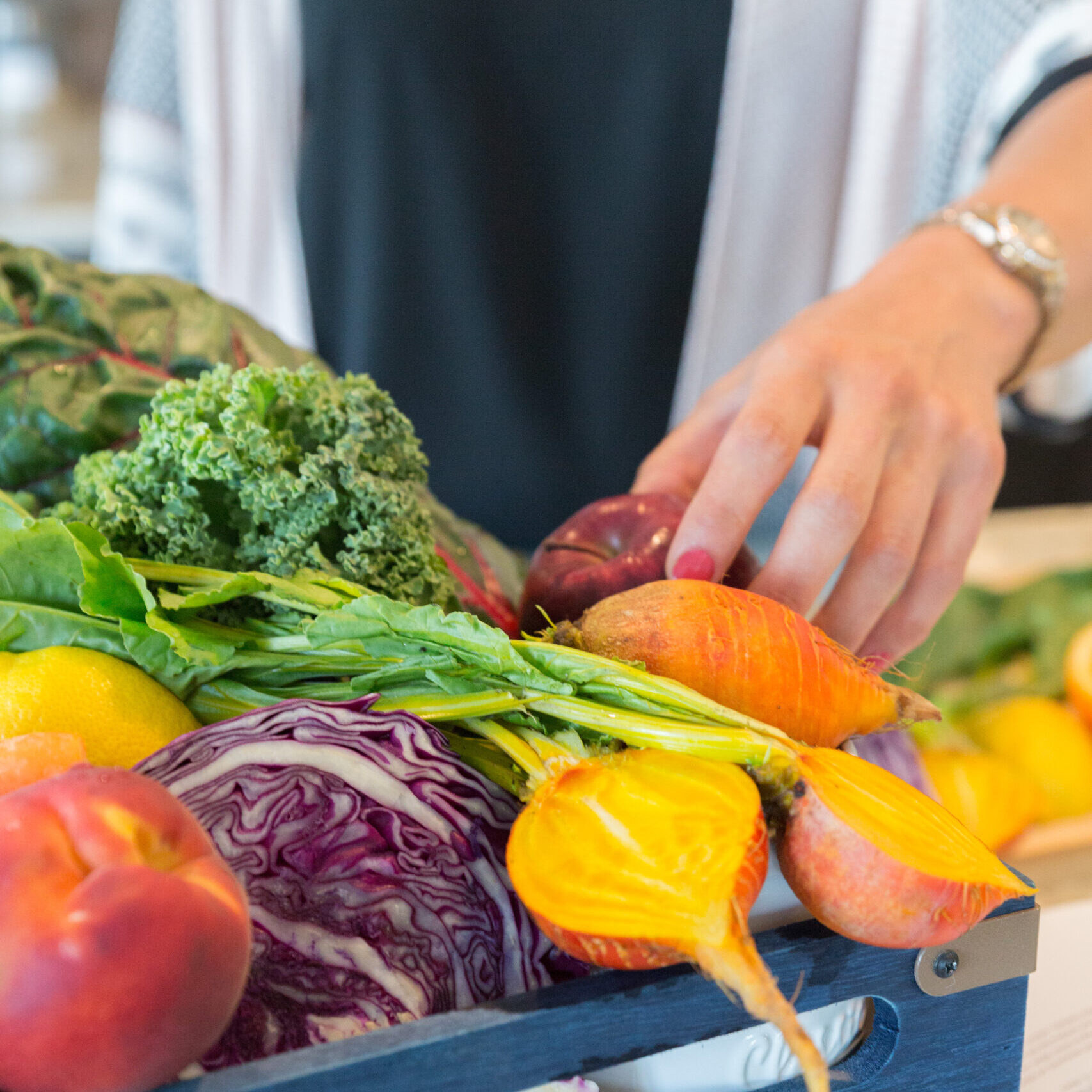
- Beets, berries, citrus, high-quality EVOO, (organic/non-GMO) soy, turmeric and walnuts are liver-loving, too!
Protein
- Lean cuts
- Animal proteins free of nitrates/nitrites (chemical preservative metabolized into a toxic compound) and antibiotics/hormones
- Wild-caught sources of seafood over farmed, for deeper nutritional value
Fats/Oils, Sugar & Sodium
- Organic and unrefined/unprocessed (or minimally refined/processed) fats and oils.
- Modest intake of natural sweeteners (raw honey, pure maple syrup, monk fruit, stevia…)
- Prioritize mineral-rich sea salt over iodized white ‘table salt’
FUELLING WITH ANTIOXIDANTS!
Sufficient antioxidant fuel means we can maintain a stronger sense of equilibrium metabolically, including diminishing oxidative stress.
Glutathione is the body’s master antioxidant. Found in our tissues, it combats free radical activity, supports detoxification and recycles antioxidant nutrients vitamin C and E. With chronic oxidative stressors, poor nutritional status and high environmental toxin load, glutathione levels can plummet!
Consider the following nutrients, including how strategic natural supplementation could close nutritional gaps!
*Please do your due diligence in researching which forms of natural supplementation may be supportive of your personal medical history/current health journey, approaching with strategy and care.
Vitamin A
- Found in beta-carotene rich foods (orange/orange-fleshed, leafy green produce)
- Beta-carotene is a pre-cursor nutrient (body converts it into Vitamin A)
- Exists in animal foods in active Vitamin A form
- Explore Genestra Brands A-Mulsion or CanPrev Vitamin A, if supplementation is warranted
Vitamin C
- Protects liver detoxification enzymes and liver tissue from toxin damage and required to synthesize glutathione
- Found in Red bell peppers, dark leafy greens/green veggies, berries, citrus, pineapple, mango, kiwi, papaya…
- Explore CanPrev Liposomal Vitamin C 1000, now C-1000 or AOR Vitamin C
Vitamin E
- Found in avocado, kiwi, mango, red Bell pepper, dark/leafy greens, nuts/seeds…
- Explore New Roots Herbal Vitamin E8, if supplementation is warranted
Selenium
- Supports the function of glutathione peroxidase – key detoxification enzyme
- Found in Brazil nuts, organ meats, sunflower seeds, seafood, whole grains, poultry, eggs…
- Explore Natural Factors Selenium or Thorne Selenium, if supplementation is warranted
Zinc
- Plays a vital role in activating several liver-based enzymes
- Found in pumpkin seeds, red meat, chicken, beans, nuts, seafood, legumes, whole grains, eggs…
- Explore Natural Factors Zinc Chelate, CanPrev Zinc Bis-Glycinate 25 or MegaFood Zinc
Quercetin
- Positively impacts enzyme activity, glutathione and reactive oxygen species and is an anti-allergy antioxidant (helps calm an overactive Immune System and mast cells, inhibiting histamine release)
- Found in apples, berries, capers, grapes, broccoli, dill, kale, onion, peppers…
- Explore Natural Factors (Vitamin) C Extra + Quercetin, CanPrev Liposomal Quercetin, Quercetin With Bromelain or Pure Encapsulations Quercetin
Alpha-Lipoic Acid
- A scavenger of free radicals in the body, restoring antioxidant activity and supporting regeneration of glutathione
- Found in broccoli, Brussels sprouts, organ meats, red meat, spinach, tomato…
- Explore Natural Factors Alpha-Lipoic Acid or Prairie Naturals R+Alpha Lipoic Acid
ADDITIONAL SUPPORTIVE NUTRIENTS:
B Complex Vitamins
- Support enzymes that produce glutathione and neutralize toxins
- Found in avocado, eggs, dark/leafy greens, high-quality dairy, lean meats/poultry, legumes, organ meats, nutritional yeast, nuts/seeds, whole grains, wild-caught fish…
- Explore MegaFood Balanced B Complex, Thorne Basic B Complex, SiSU Super B Complex or Genestra Brands Active B Complex
Dandelion Root
- A natural, bitter, gentle diuretic supportive of liver health and digestion
- Liver-protective effects – reduces oxidative stress
- Explore Natural Factors Dandelion Root, Nature’s Way Dandelion Root or organic herbal tea form, like Traditional Medicinals Dandelion Leaf & Root
Milk Thistle
- It’s naturally occurring, active compound silymarin is liver-protective against toxin damage, strengthening the walls of the liver and promoting regeneration of tissue
- Shown to increase blood levels of glutathione and liver detox-based enzymes (glutathione peroxidase and superoxide dismutase)
- Explore St. Francis Herb Farm Milk Thistle Capsules, Botanica Milk Thistle Liquid Capsules, CanPrev Liposomal Milk Thistle or in organic herbal tea form
N-Acetyl Cysteine (NAC)
- Produces the sulfur-containing amino acid (cysteine) necessary to support glutathione levels
- Protective against injury to liver; improves liver health in NAFLD
- Found in animal proteins, eggs, legumes, sunflower seeds, (organic) oats…
- Explore Natural Factors NAC, Pure Encapsulations NAC, AOR N-A-C or CanPrev Liposomal NAC
Apple Pectin
- Water-soluble fiber that supports heavy metal detoxification by binding to toxins
- Found in the peels of apples citrus, guava, passion fruit, pear, plum…
Cordyceps Mushroom Powder
- Protects against oxidative stress and liver inflammation
Chlorella
- A green microalga rich in chlorophyll – helps binds to toxins for elimination
- Research shows beneficial impact of supplementation with NAFLD
- Explore Prairie Naturals Organic Chlorella
Omega-3 Fatty Acids
- Stimulate bile acid detoxification (major component of bile) and protective against liver cell death
- Food sources include Manitoba Harvest Hemp Seed Oil, Highwood Crossing Organic Flax Oil, Flora Udo’s Oil Omega Blend +DHA, Gold Top Organics Brown Flax Seed or Organic Traditions Sprouted Flax
- Explore Nordic Naturals Omega-3, Nordic Naturals Ultimate Omega or Metagenics OmegaGenics Fish Oil EPA-DHA
Probiotics
- A healthy gut microbiome is essential for a strong intestinal barrier (preventing less toxic leakage into the bloodstream) and effective elimination of waste (via bowel movements)
- Found in raw, unpasteurized ferments (dill relish, sauerkraut, coconut milk…)
- Explore a daily-use multi-strain probiotic (Lactobacillus + Bifidobacterium strains), like FLORA, Genestra Brands, Genuine Health, New Roots Herbal, Natural Factors, Renew Life or Progressive
LOOKING AHEAD!
The first step with more efficient/effective daily detoxification and elimination is reducing the load the liver bears to begin with. Assess your most frequent/common exposures, read ingredient labels, and sustainably introduce more health-promoting swaps to start taming inflammatory fire.
Know Your Practitioner

I'm Jessica Pecush...
Culinary Nutrition Expert, Certified Holistic Nutritional Consultant™ & AIP Certified Coach®
FOLLOW ME ON SOCIAL MEDIA
Subscribe To My Mailing List! Receive My Foundational Resource 'First Steps for Autoimmune Gut Disorder Pain Relief'!