Welcome To My Culinary & Holistic Lifestyle Blog!
In Pursuit of Optimal Digestive Health
A Thriving Gut = A Thriving Brain! Gut Health is Brain Health
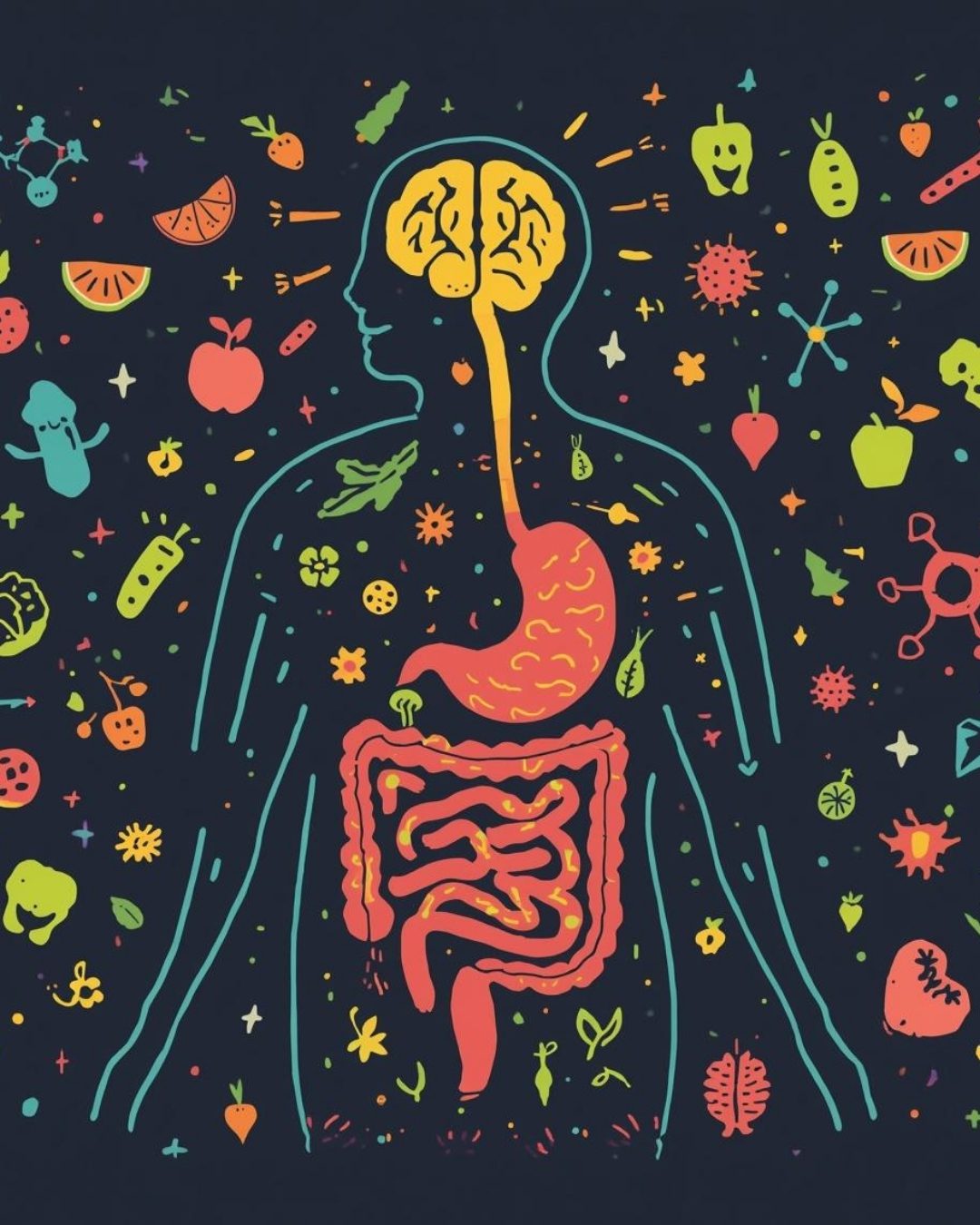
Take care of your gut bugs, and they’ll take care of you!
We are what we eat, digest, and absorb. The trillions of gut bacteria in our gastrointestinal (GI) tract play a pivotal role in our physiological functioning. Our gut bacteria have a direct impact on our brain function and behaviors, too!
The gut and brain are inextricably linked through the Vagus nerve – the longest nerve in our body connecting our brain stem (Central Nervous System) to our gut microbiome. The Vagus nerve IS our Gut-Brain Connection or Gut-Brain Axis – playing a critical role in both health, and illness.
The bi-directional signalling between our gut and brain is necessary in maintaining equilibrium in our body. Our gut microbiome impacts mood along with cognitive function, decision-making, high-level executive functioning and emotions. Several neurotransmitters (brain-based chemicals) are created/regulated by our gut (e.g. serotonin, dopamine, GABA). They influence our stress response and Vagus nerve pathway, capable of playing a role in mental health disorder development.
FUELLING OUR GUT-BRAIN CONNECTION
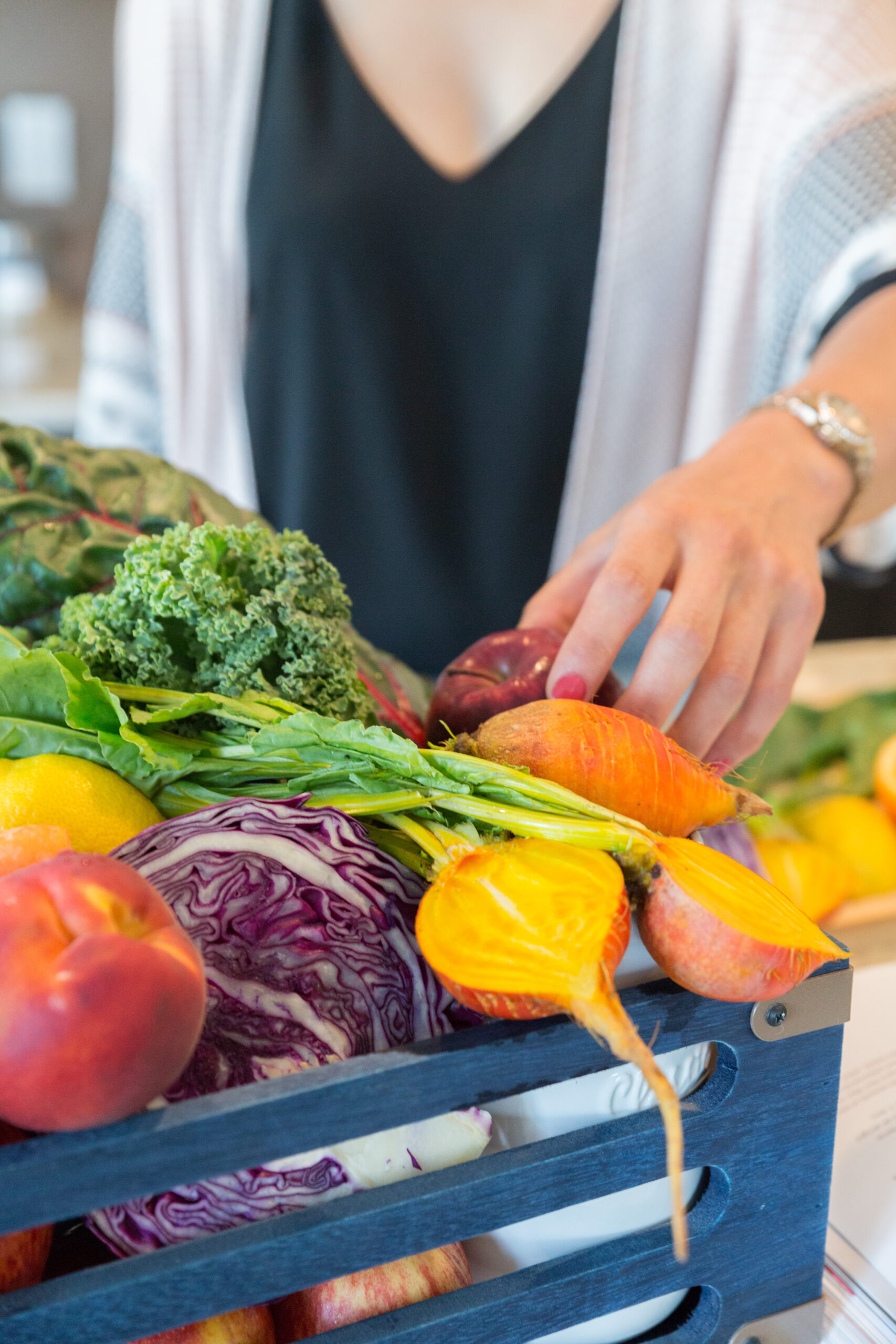
Gut bacteria thrive on diverse, colourful sources of fiber found in plants.
Diverse fiber supports diverse strains of beneficial (probiotic) bacteria in our gut microbiome, whereas a poor, low-fiber diet and poor bacterial balance (Dysbiosis) disrupt the functioning and health of the Gut-Brain Axis - worsening gut/brain-related symptoms and dysregulating the immune response. Imbalances can bring about active inflammation, disrupted brain signaling, dysregulated neurotransmitters, and hormone-driven issues.
Build a solid foundation with a diverse, anti-inflammatory, whole food diet. Then, layer in strategic supplementation for periods of time as your unique health needs dictate.
*Please do your due diligence in researching which forms of natural supplementation may be supportive of your personal medical history/current health journey, approaching with intention and care.
KEY GUT-BRAIN NUTRIENTS TO CONSIDER
Prebiotics
- Indigestible fiber that fertilizes our gut - feeding our beneficial gut bugs (particularly Lactobacillus and Bifidobacterium)
- Enhance cognitive performance and protect against neurological conditions
- Found in apple, asparagus, banana, brown rice, chicory and dandelion root, garlic, flax, Jerusalem artichoke, jicama, kiwi, leek, legumes, onion…
- Explore Dandy Blend or Organic Roasted Dandelion Root herbal teas
- Natural supplementation: not typically relied on as a mainstream supplement; start with food-rich sources unless supplementation is deemed required by your practitioner (can contribute to adverse reactions in the gut in the case of particular digestive disorders)
Probiotics
- Bring beneficial bacterial strains into our body to support digestion, elimination, immunity…
- Found in raw, unpasteurized ferments (dill pickles, sauerkraut, kimchi, miso paste, coconut aminos, coconut kefir...)
- Natural supplementation: best navigated with a practitioner, as probiotics may not be your next step or a beneficial step in consideration of your personal, unique, gut health circumstances (can have adverse effects with particular gut disorders)
Omega-3 Fatty Acids
- Cannot be produced by our body; easily supplemented for regular intake!
- Exist in their most directly usable form in oily, fatty, wild-caught fish (e.g. salmon, mackerel, herring, sardines)
- Plant-based food sources include (organic) hemp seeds, hemp seed oil, whole flax seeds, sprouted ground flax seeds, flax oil, walnuts, walnut oil, chia seeds, chia oil...
- Natural supplementation: options include varying proportions of DHA (docosahexaenoic acid) and EPA (eicosapentaenoic acid) – both are important!
- Seek out liquid or soft gel form, as needed, sourced from wild-caught oily/fatty fish sources (third-party tested for purity and potency)
Polyphenols
- A highly anti-inflammatory and antioxidant-rich plant compound – able to exert probiotic-type effects on the gut microbiome
- Found in red apple, berries, black olives, dark chocolate, extra-virgin olive oil, pomegranate, purple/red carrot and potato, red cabbage…
- Natural supplementation: this support is typically relied on with specific, underlying gut issues during therapeutic gut protocols; consult with your practitioner as to whether this would be beneficial for your personal, unique circumstances (start with food sources)
B Complex
- Water-soluble vitamins that work synergistically as a team!
- Can support energy production when easily depleted by particularly stressful periods of life
- Found in avocado, eggs, dark/leafy greens, high-quality dairy, lean meats/poultry, legumes, organ meats, nutritional yeast, nuts/seeds, whole grains, wild-caught fish…
- Natural supplementation: look for methylated (highly-absorbable) B complex vitamins if supplementation is deemed required; B complex are ideally supplemented as a complex, given they work in synergy with one another and exist in delicate balance/relative proportion to one another in the body
- Can create symptoms for unique circumstances (e.g. anxiety, histamine sensitivity/reaction with declining estrogen, if taken on an empty stomach…) - discuss with your practitioner prior to potential use
Vitamin D3 (+ K2)
- Vitamin D3 (a hormone) is best synthesized by the body with sunlight exposure
- Increases gut bug diversity and reduces oxidative stress
- Found in some amounts in beef liver, cod liver, egg yolks, red meat and wild-caught oily/fatty fish
- Natural supplementation: Vitamin D3 is best supplemented with Vitamin K2 - D3 helps absorb calcium, K2 shuttles calcium into bone
- Seek out liquid drop or soft gel options, as deemed needed with the insight of your practitioner
Magnesium
- Involved in countless enzyme-based reactions, smooth muscle relaxation, gut bug diversity and movement of food matter
- Fundamental in nerve signalling and protective of the Blood Brain Barrier
- Found in avocado, dark/leafy greens, nuts/seeds, whole grains, legumes, fish, cacao powder, banana…
- Natural supplementation: exists in a variety of forms, so seeking out the correct form, delivery and dosage is an important conversation with your practitioner if supplementation would be beneficial
Choline
- Precursor nutrient for neurotransmitter acetylcholine - involved in both cognition and neuromuscular functioning
- Rich in animal foods (beef/chicken liver, egg yolks, high-quality dairy, wild-caught fish), followed by plant sources (cruciferous veggies, legumes, nuts/seeds, potato, quinoa, Shiitake mushrooms, whole grains…)
- Natural supplementation: not typically relied on as a mainstream supplement; start with food-rich sources unless supplementation is deemed required by your practitioner
(Hydrolyzed) Collagen
- Strengthens intestinal tract lining for improved digestion/absorption of nutrients - a rich source of amino acids (glycine, proline, glutamine)
- Suppresses inflammation, has neuroprotective effects and supports brain structure/cognitive function
- Natural supplementation: seek out grass-fed/grass-finished (bovine) or wild-caught, marine-sourced collagen peptides - each supports the body in different ways, so a conversation with your practitioner is important, if deemed beneficial
Glutamine (Amino Acid)
- Most abundant amino acid in the body - can support minimizing shifts in intestinal permeability in the GI tract
- Strengthens intestinal barrier and its mucosal lining, where our good gut bugs live!
- Found in (organic chicken) bone broth, red cabbage, high-protein animal products (beef, chicken, turkey...), eggs, fish (wild-caught salmon, cod, shellfish), organic tofu, beans, lentils, nuts, dark/leafy greens (spinach, parsley...), beets, carrot, spirulina, seaweed...
- Natural supplementation: this support is typically relied on with specific, underlying gut issues during therapeutic gut protocols; consult with your practitioner as to whether this would be beneficial for your personal, unique circumstances (start with food sources)
Last but not least, consider exploring a grass-fed/grass-finished beef liver (powdered) capsule as a food-based multivitamin, of sorts! Beef liver is rich in gut/brain-supportive micronutrients, including Vitamin A, B12, folate, iron, zinc and copper.
FOOD FOR THOUGHT...
A balanced, thriving gut microbiome is necessary for optimal digestion, brain function/activity and healthy emotional responses. Growing research continues to illustrate the impact of intestinal inflammation on our Central Nervous System.
Know Your Practitioner

I'm Jessica Pecush...
Culinary Nutrition Expert, Certified Holistic Nutritional Consultant™ & Natural Nutrition Clinical Practitioner
FOLLOW ME ON SOCIAL MEDIA
Subscribe To My Mailing List! Receive My Foundational Resource 'First Steps for Autoimmune Gut Disorder Pain Relief'!